Same-Day Crowns: How CEREC Technology Works
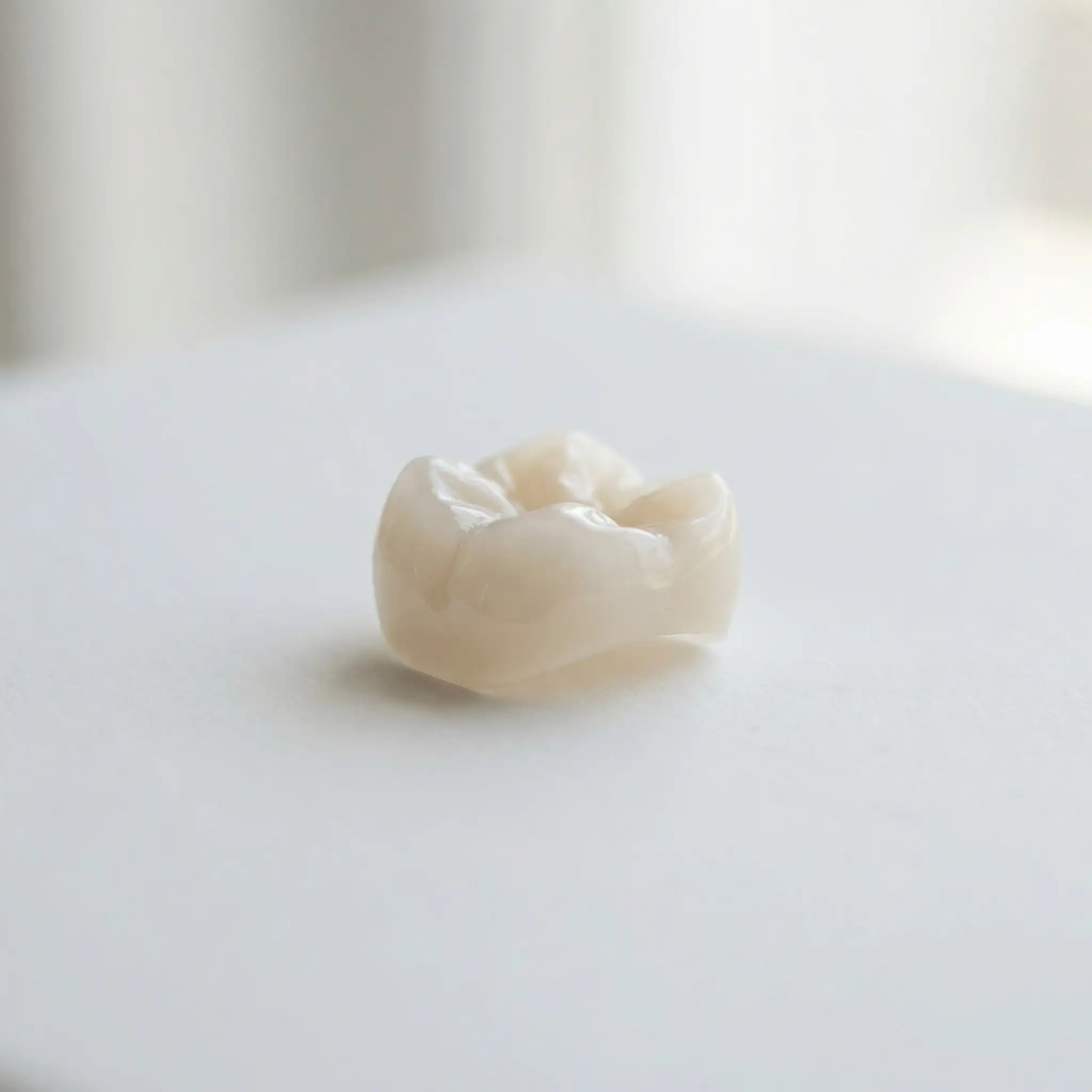
One appointment. A lot happens.
There is something deeply satisfying about turning a damaged tooth into a finished ceramic crown before the day is over. For the right case, there is no temporary crown and no sequel appointment. CEREC is one of those technologies that makes dentistry feel slightly futuristic and wonderfully practical.
The setup sounds simple: scan the tooth, design the restoration, mill it in the office, and place it. Simple on a list. Precision in practice. Keeping those steps under one roof can turn a permanent ceramic crown into a one-appointment job, although the total time still depends on the tooth, material, and finishing it deserves.
Scan it. Shape it. Make it.
First, the dentist removes decay or damaged material and prepares the tooth. Then the tray of impression putty gets to sit this one out. A 3Shape TRIOS scanner moves over the teeth and builds a three-dimensional model on screen, giving us a crisp digital starting point for the crown.
Then dentistry meets design. The software proposes a crown based on the prepared tooth and its neighbours, but it does not get the last word. The dentist refines the contours, contact points, and biting surface until the digital shape belongs in that exact mouth.
From ceramic block to actual tooth
This is the part with a little theatre. The approved design reaches the CEREC PrimeMill, and a compact ceramic block starts becoming a tooth. Milling time changes with the material and restoration, while shade and surface treatment are selected to help the result disappear into the smile. Not magic. Just extremely satisfying engineering.
Fresh from the mill is not ready for its close-up. The crown may be polished, characterized, or glazed, then tried in the mouth so the dentist can check fit, bite, contact, and appearance. Tiny adjustments happen now. Once it earns the yes, it is bonded or cemented to the prepared tooth.
Beautiful is not enough
A crown does not get points for being pretty if it cannot survive breakfast. Materials such as lithium disilicate or zirconia are chosen for the tooth and the job it has to do. No crown comes with an immortality clause: material, bite forces, clenching, grinding, hygiene, and maintenance all shape its lifespan.
The same digital workflow can create some inlays, onlays, and veneers too. Several restorations may sometimes share an appointment, but that depends on the treatment plan and how much preparation, milling, and finishing each one demands. Ambition is welcome. Biology still runs the schedule.
The luxury is not speed for speed's sake. It is finishing the right restoration beautifully, skipping the vulnerable temporary stage, and avoiding a separate placement visit when the case allows it. One appointment can still contain a remarkable amount of craft.
Real confidence also knows when not to force the one-visit story. Complex cases, particular materials, or highly customized aesthetics may belong with a dental laboratory. At Novae, technology is not a party trick. It is a tool, and the right tool for the tooth always wins.