A Cavity Can Start Below the Old Gumline
Exposed tooth roots need a different prevention conversation. Learn how recession, dry mouth and cleaning access can affect the risk of root decay.

A tooth can look longer after the gums recede, leaving a surface exposed that used to sit beneath the gumline. That surface is part of the root. A cavity there is still tooth decay, but its location changes the cleaning and prevention conversation. Having made it through childhood without fillings does not make exposed roots immune later on.
The surface is different
The crown of a natural tooth has enamel on its outside. The root has a thinner covering called cementum, which is softer and more vulnerable to decay. Gum recession can expose this area to plaque and food. Recession does not mean a cavity is already present; it identifies a surface that deserves attention.[1]
Ask the hygienist to show you the exposed area in a mirror and demonstrate how to reach it with your usual brush. A lower back tooth beside the cheek can be awkward even when your general routine is good. A practical adjustment to the angle or tool is more useful than simply brushing harder.
Dry mouth belongs in the discussion
Saliva helps protect teeth. A persistently dry mouth can increase decay risk, and medicines are one possible cause. Tell the dentist about dryness, night-time waking for water and any medicine changes. Do not stop a prescription to protect a tooth; your dental and medical teams can discuss ways to manage the risk while preserving necessary treatment.[2]
Describe what you use for comfort as well. Sipping sweet drinks or sucking sugary sweets throughout the day may feel helpful briefly while adding repeated sugar exposure. Water and suitable sugar-free options may be more useful; ask which choices fit your health needs and swallowing comfort.[1][2]
Prevention may need to be more specific
Keep fluoride toothpaste and cleaning between the teeth in the routine. For people with particular decay risks or root lesions, a clinician may recommend additional fluoride or another treatment. Professional guidance distinguishes root surfaces from other tooth surfaces and considers the lesion itself. Do not assume that a stronger product, used more often, is automatically the right answer.[1][3]
If root decay is found, ask whether the area can be managed without a restoration or whether it needs a filling. The discussion should include access for cleaning, the extent of damage and how the result will be reviewed. If a treatment may change the tooth's colour, that belongs in the conversation before you choose it.
Watch the routine, not just the mirror
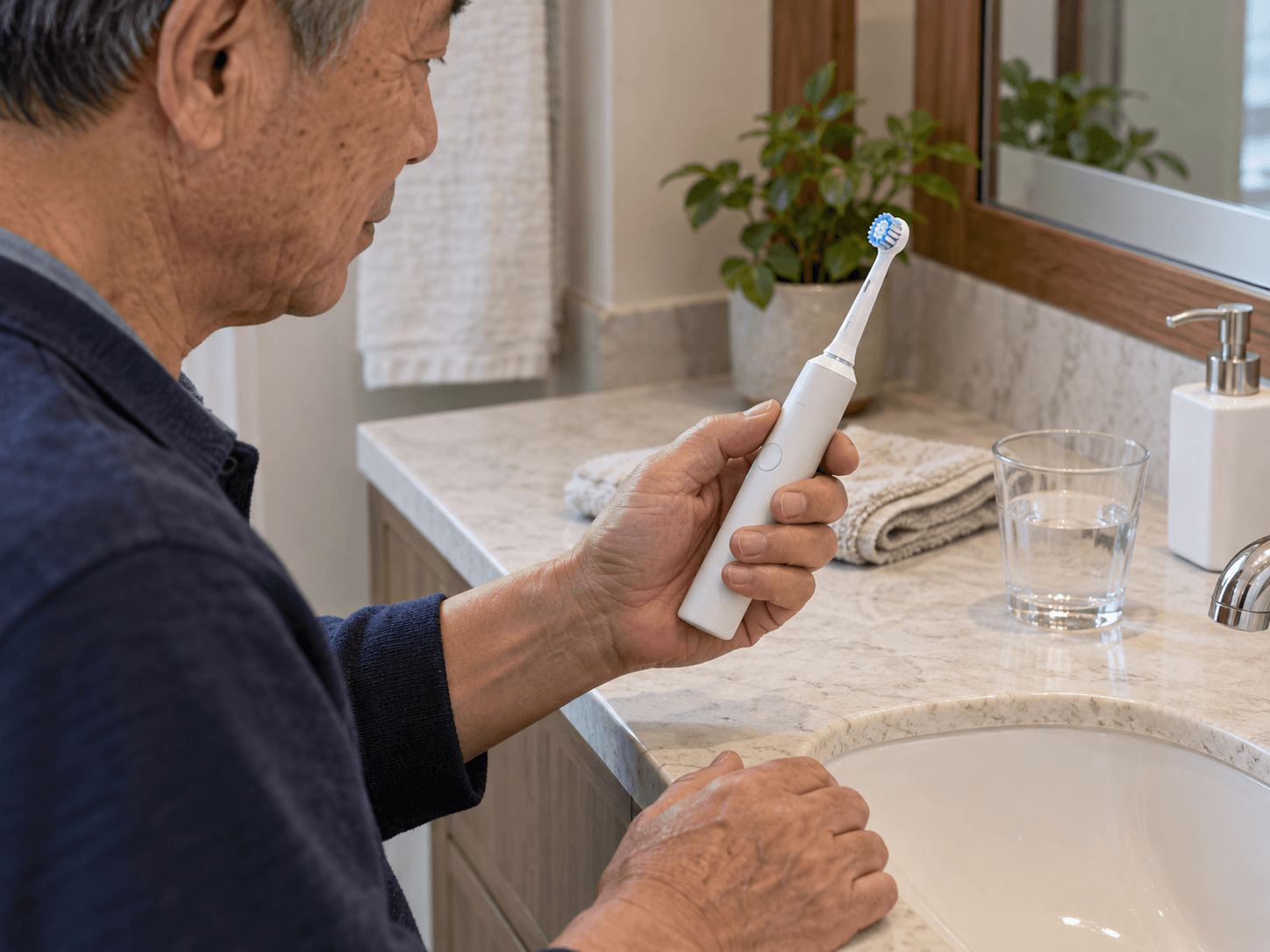
A prevention plan should still work on a tired evening, with the hands and eyesight you have now. Bring up grip problems, a gag reflex or difficulty reaching the back teeth. Ask for one demonstrated change, practise it at the appointment and keep the agreed review. Root protection is a daily task that should be made manageable.