The Brush That Fits Your Hand
Choose a toothbrush you can use comfortably and gently. Head size, soft bristles and a workable technique matter more than a crowded feature list.
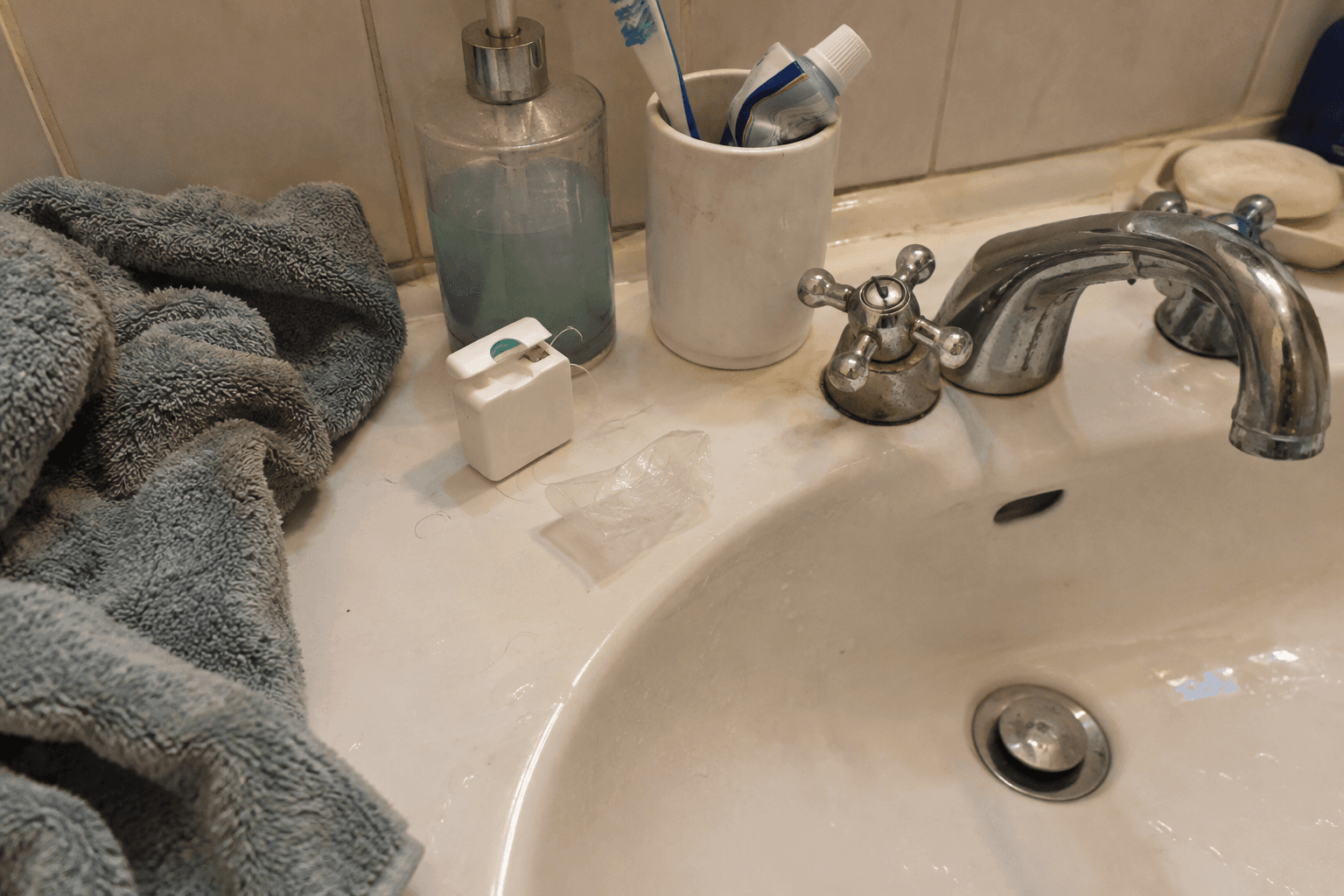
Try the practical questions
Can you hold the handle comfortably? Can the head reach the back teeth without making you struggle? The ODA recommends soft bristles and a small head, and emphasizes technique whether you choose a manual or an electric brush.[1]
For an electric model, consider the cost and availability of replacement heads, charging needs and whether the vibration feels comfortable. A pressure warning or timer may help your routine, but only if you understand what it is telling you. Keep the instructions rather than guessing how to move the brush.
Ask for a demonstration with your brush
Bring it to a dental appointment if you are unsure. Ask the hygienist to show how to reach the areas you miss and how lightly to hold it. Describe any sore spot or difficulty opening your mouth; that can affect which technique is practical.
Replace a brush or head when its bristles are worn, following its care instructions. If a new brush spreads out quickly, ask about pressure before buying a harder one. The useful upgrade may be a small change in how you use the tool you already own.