When Holding the Brush Is the Hard Part
A larger grip, a different brush or a floss aid may make daily mouth care easier. Ask for a method that fits your movement and comfort.
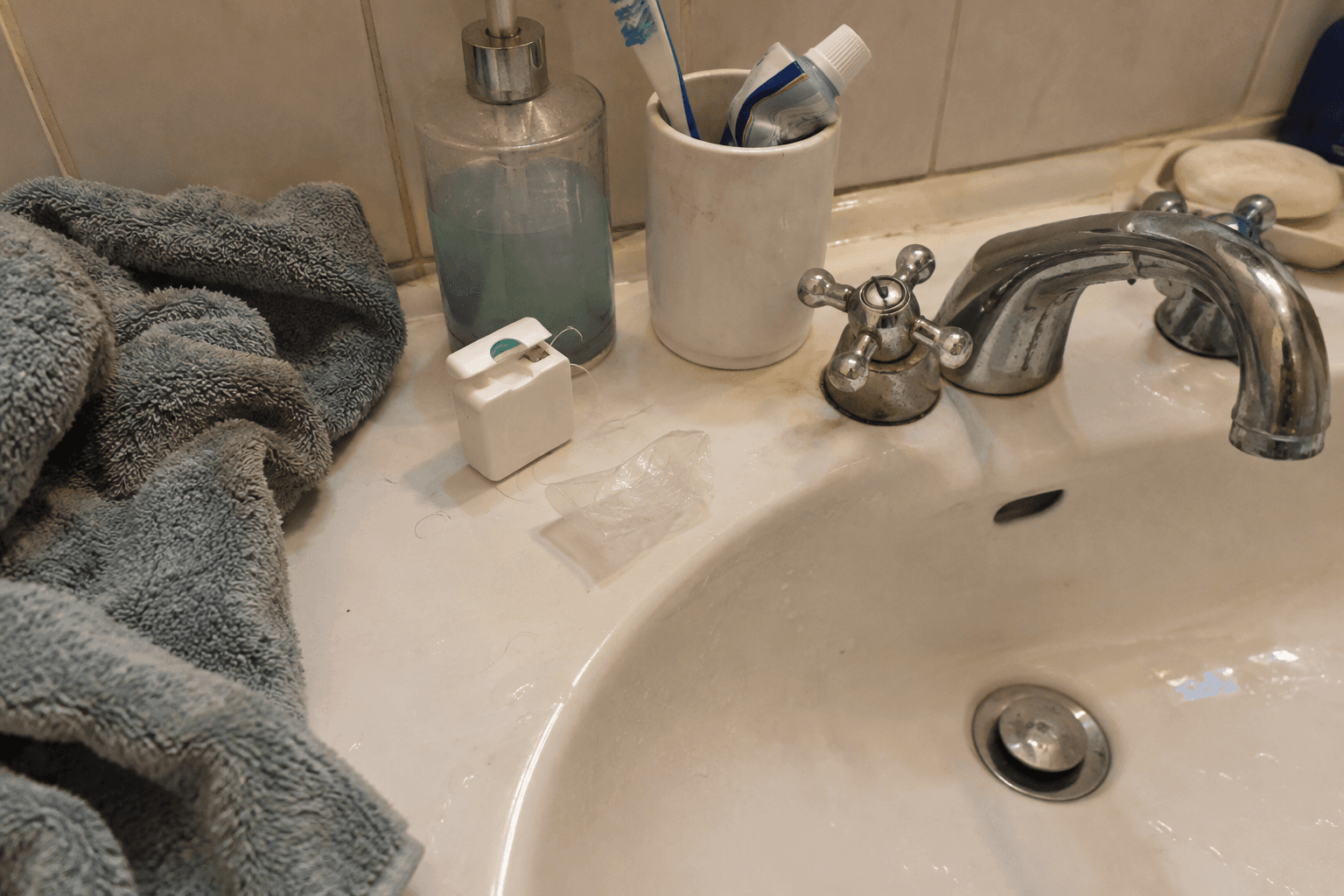
Describe the movement that hurts
If brushing is difficult, identify the part that causes trouble: gripping a thin handle, rotating your wrist, lifting your arm or reaching the back teeth. Bring your current brush to an appointment so the dental team can see the problem with the actual tool.
The ODA suggests adapting a handle to make it easier to hold and considering an electric brush or floss aid when fine movements are difficult. Ask which option is suitable for you and how to keep an adapted handle clean and secure.[1]
Test a workable setup
Try the suggested method before buying several accessories. Ask whether sitting down, adjusting the mirror or changing the handle shape would help. If fatigue is part of the problem, explain when it is worse so the routine can be planned around your day.
If another person helps, agree on what assistance you want and a clear way to pause. Pain, a sudden change in movement or difficulty swallowing needs appropriate clinical advice; it should not be solved by simply pushing through a more difficult brushing session. Small adjustments can be discussed without surrendering the parts you prefer to manage yourself.