The Day After a Deeper Gum Cleaning
Tender gums and sensitive teeth can follow scaling and root planing. Here is how to plan meals, cleaning and follow-up without confusing it with surgery.

After cleaning below the gumline, your mouth may feel more tender than it does after a routine polish. Scaling and root planing, also described as root surface cleaning or debridement, treats deposits associated with gum disease. It is worth knowing what was done, which areas were treated and what instructions apply to those areas.[1]
Wait for numbness to wear off
If local anaesthetic was used, avoid hot food or drinks and take care not to bite the numb lip, cheek or tongue until normal feeling returns. Ask the treating team when you can eat. For the first meal afterward, choose something comfortable rather than testing the area with a crisp crust or a very hot drink.[2]
A bowl of lukewarm soup, eggs or another familiar soft meal can make the evening easier. This is about comfort, not a mandatory menu. Before leaving, ask about suitable pain relief, taking your medical conditions and other medicines into account. Use any prescribed rinse exactly as directed.
Tenderness and sensitivity can happen
The ADA describes pain for a day or two and sensitivity for up to a week after scaling and root planing; gums may also feel tender or bleed. These are general patterns, not a deadline that every person must meet. Contact the dental team if discomfort is severe, increasing, or not following the course they described.[1]
Report the actual change: 'The right side is more painful today than yesterday' is useful. Mention swelling, fever or bleeding that is difficult to control. Do not assume a worsening problem is simply the price of having treatment. Ask the office who handles concerns after hours so you are not searching for instructions when the clinic is closed.
Keep cleaning, with the right instructions
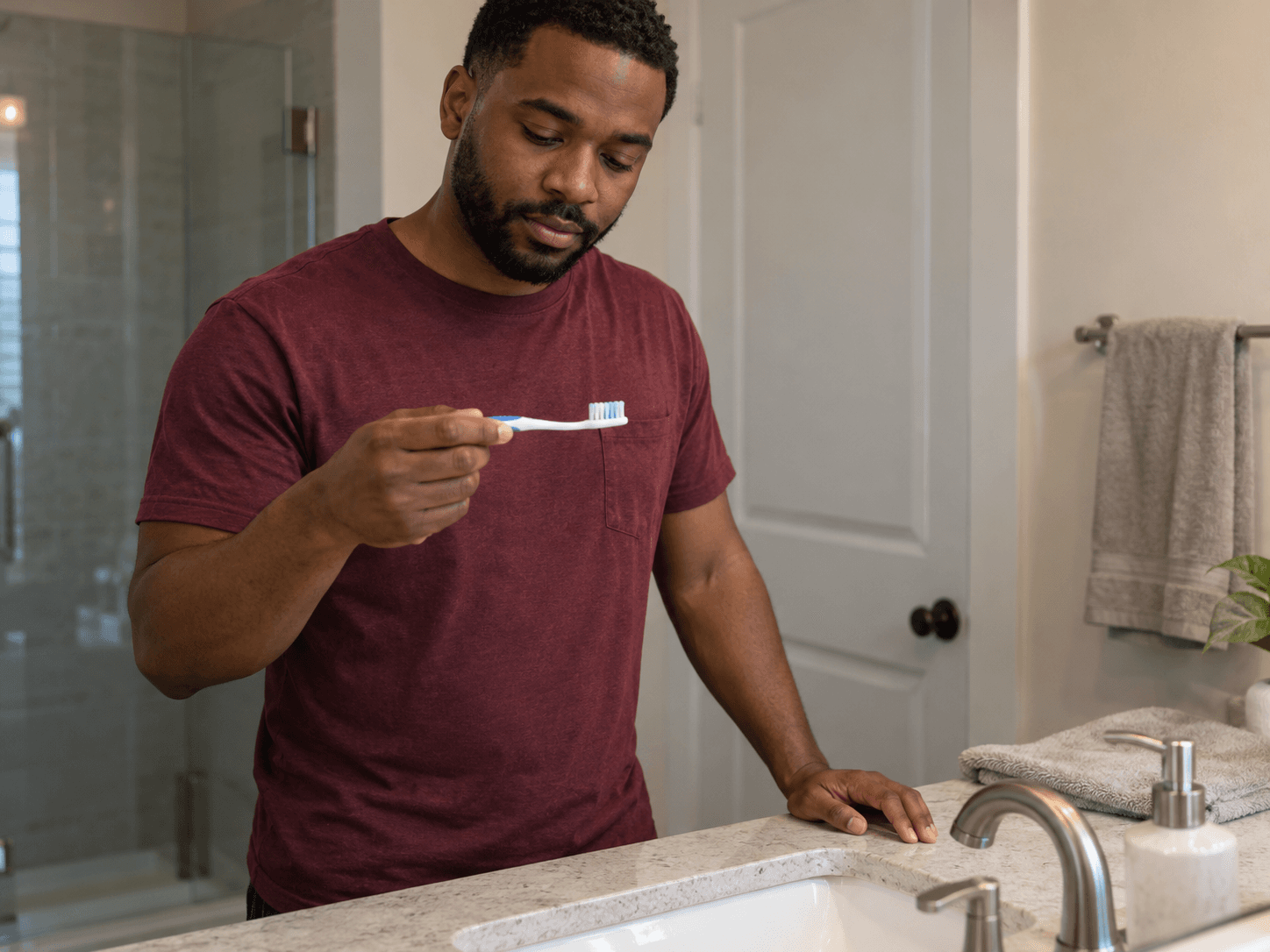
Daily plaque control remains part of gum treatment. Ask how to brush and clean between the treated teeth comfortably, and whether your usual products need any temporary adjustment. Advice for a gum graft or another surgical wound is different; do not borrow an online instruction to stop brushing a site unless it applies to the procedure you actually had.[1][2]
As inflammation settles, the gumline may look lower and spaces between teeth may become more visible. Previously swollen tissue can shrink after treatment. Ask the clinician to explain the change and show you which interdental brush or other aid fits the space now, rather than forcing the old tool through it.[2]
The follow-up checks the response
A review allows the team to reassess the gums and decide whether further treatment or maintenance is appropriate. A smooth feeling after cleaning does not provide that assessment by itself. Keep the planned appointment and bring any difficulty with brushing, food trapping or sensitivity into the discussion.[1]