What Is the Mouthwash Supposed to Do?
Mouthrinses serve different purposes. Choose one for a clear reason and understand its timing instead of treating it as a replacement for brushing.
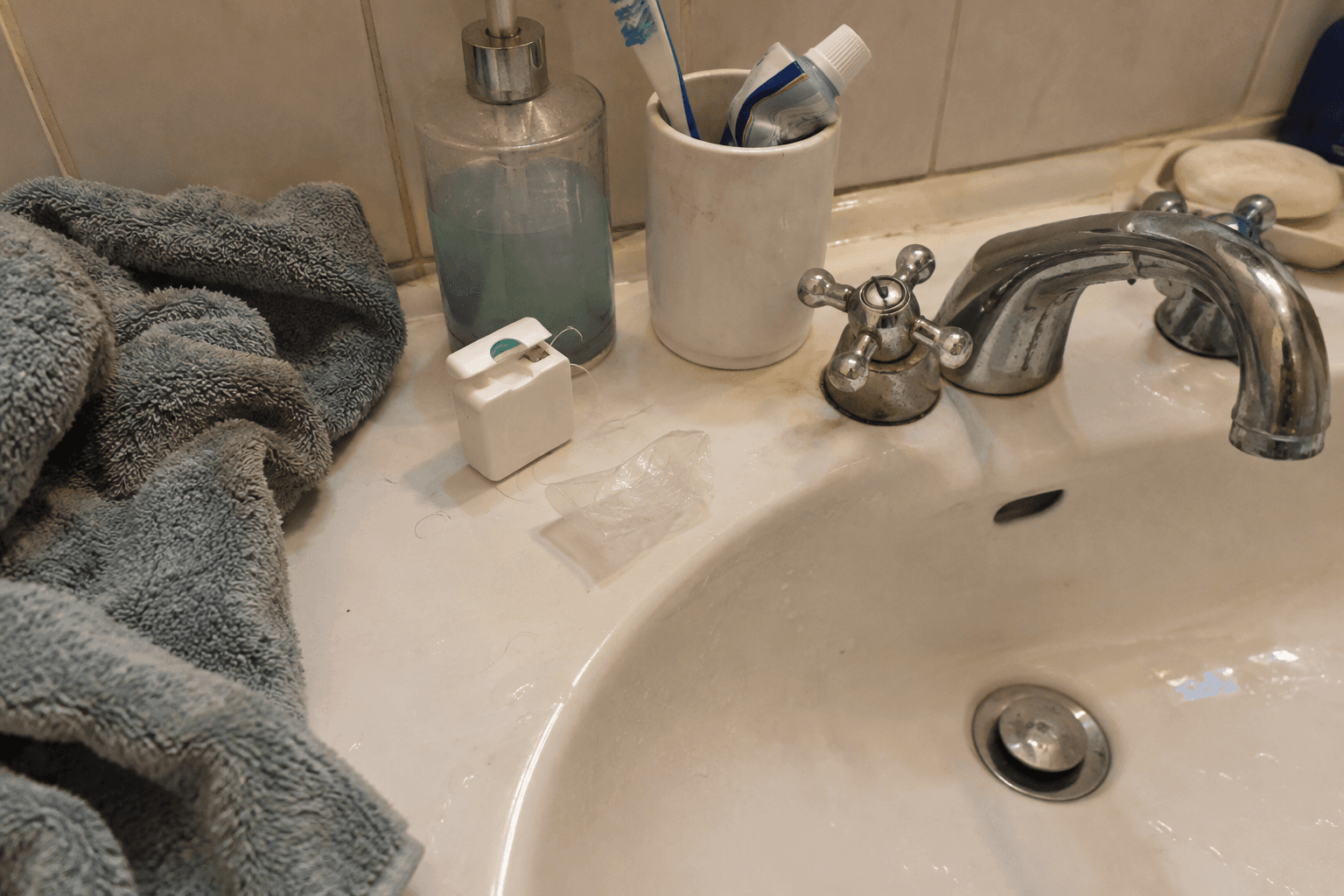
Name the job
A rinse for cavity prevention, one prescribed for a particular gum problem and one used mainly for breath are not interchangeable. Ask which benefit you need and whether a rinse adds something useful to your current care. Brushing and cleaning between teeth still matter; mouthwash does not replace them.[1][2]
Read the label for age limits, amount, timing and whether the product is meant for short-term use. If your dentist prescribes a rinse, ask how it fits around toothpaste and any other treatment. Keep the instructions with the bottle.
Notice why you reach for it
If you are repeatedly masking bad breath, arrange a dental assessment instead of endlessly changing flavours. The Oral Health Foundation advises discussing persistent breath concerns with the dental team because an underlying problem may need attention.[2]
Tell the team if a rinse burns, irritates your mouth or is difficult to use without swallowing. Ask about a suitable alternative rather than assuming discomfort means it is working. A useful product should have a clear purpose and instructions you can follow.