The Dental Check Before Cancer Treatment
A dental assessment before cancer treatment can identify problems needing attention. Learn what to share and how dental and oncology teams coordinate.

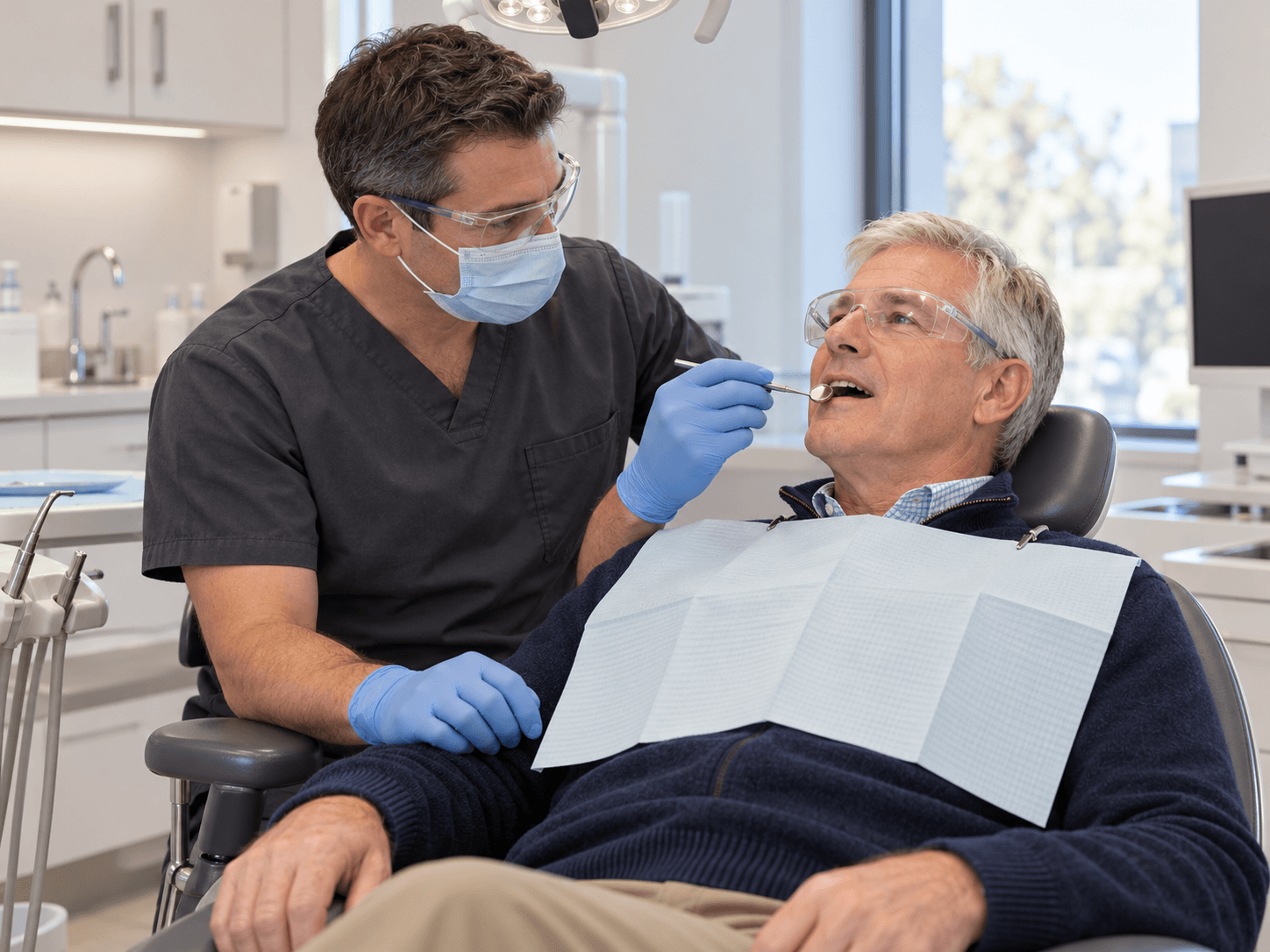
If your oncology team recommends a dental assessment, arrange it as early as the treatment timetable allows. Tell the dental office that cancer treatment is planned and give the proposed start date. The aim is to identify existing mouth problems and prepare a care plan with the cancer team, not to collect an unexplained 'clearance' stamp.[1]
Give the two teams a way to talk
Bring the oncology contact details, proposed treatment information and current medicine list. Mention pain, broken teeth, loose restorations and dentures that rub. NIDCR stresses communication between the dentist and cancer clinician because the treatment plan affects oral care before, during and afterwards.[2]
A useful phone message is, 'My treatment may start next week, and the oncology team asked for a dental assessment. Who should they contact about timing?' If the date is close, say so. Do not postpone cancer treatment yourself to meet a general online suggestion about how many weeks a dental visit should come first.
Ask what needs attention before treatment
Chemotherapy and head-and-neck radiotherapy can affect mouth tissues, saliva and infection risk in different ways. Existing problems may become harder to manage during treatment. Ask which findings require attention now, which can be monitored and how the plan fits the oncology schedule.[1][2]
If a procedure is proposed, confirm that the teams have discussed the available healing time and relevant medical information. Ask what happens if there is not time for every planned dental item. You should not have to choose between conflicting instructions from separate offices without their help.
Leave with instructions for the treatment period
Get a practical cleaning plan and the right contact for mouth pain, bleeding, infection concerns or difficulty eating and drinking. Ask which symptoms require an immediate call to oncology. A dental examination before treatment does not remove the need to report problems as they arise.[2]